
Blog Details Home / Blog Details
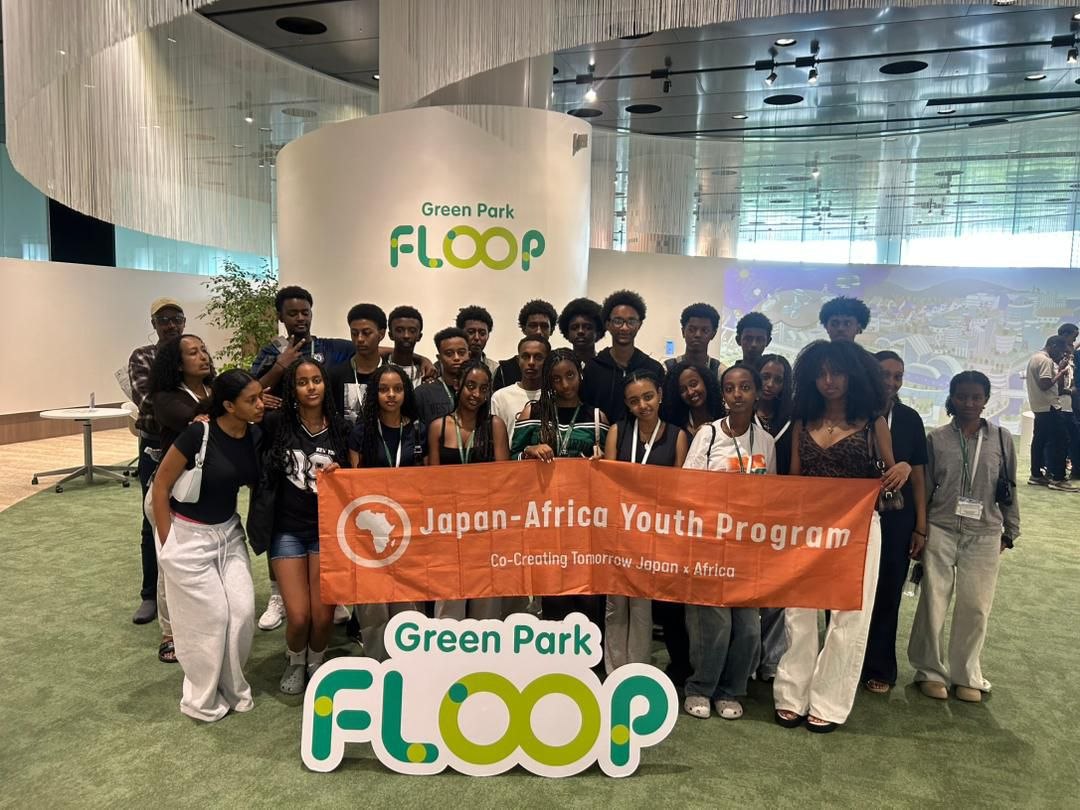
HGIS Students Represent Ethiopia in the Japan–Africa Youth Program 2026
Hellenic Greek International School (HGIS) is proud to share the successful participation of our students in the Japan–Africa Youth Program (JAYP) 2026, held from 23 August to 2 September 2026.
Ethiopia was one of five African countries—alongside Egypt, Rwanda, Senegal and Zambia—selected to participate in the 2026 program. HGIS was honored to be selected to represent Ethiopia in the second batch of the program.
The JAYP initiative seeks to promote mutual understanding between Japan and Africa, build long-term relationships among young people, develop future leaders, create opportunities for future cooperation, and encourage Japan and Africa to co-create the future.
Throughout the program, our students had opportunities to learn about Japanese education, culture, science, technology, environmental practices and community life, while proudly sharing Ethiopia's history, culture, achievements and aspirations.
Learning Through Experience
The students visited a number of important institutions and sites, each providing a unique learning experience.
Miraikan – National Museum of Emerging Science and Innovation:
Students explored emerging science and technology and learned how innovation can help address real-world challenges and shape the future.
Edo-Tokyo Museum:
The visit helped students understand the importance of preserving history and cultural heritage while continuing to modernize and develop.
Tokyo Skytree:
Students gained a broader understanding of Tokyo's urban development, infrastructure and the organization of a modern city.
Unebi High School, Nara Prefecture:
Interaction with Japanese students allowed our students to compare educational experiences, share ideas and develop friendships. They learned that young people from different countries may have different experiences but share many common hopes and aspirations.
Yamato Eco Clean Centre:
Students learned about waste management, environmental responsibility and the importance of individual and community action in protecting the environment.
Advanced Telecommunications Research Institute International (ATR), Keihanna Science City:
The visit exposed students to advanced research and telecommunications and strengthened their understanding of the importance of science, technology, innovation and continuous learning.
Green Park Loop – Fuji Xerox R&D Square:
Students learned about the connection between technological development, workplace innovation and environmental sustainability.
A Valuable Diplomatic Experience
An important part of the program was the visit to the Embassy of Ethiopia in Tokyo.
Our students received a warm welcome and participated in a question-and-answer session with His Excellency Ambassador Daba Debele. The discussion provided students with a deeper understanding of the relationship between Ethiopia and Japan and the role of diplomacy and international cooperation.
The experience also reminded students that strong relationships between countries are built not only by governments, but also through education, youth exchanges, cultural understanding and people-to-people relationships.
The Homestay Experience
The homestay experience was one of the most valuable components of the program.
By staying with Japanese families, our students experienced Japanese life beyond the classroom and tourist environment. They participated in everyday family routines, experienced Japanese food and customs, communicated with their host families and gained insight into community and family life.
The homestay helped students develop:
greater independence and responsibility;
respect and consideration for others;
adaptability to unfamiliar environments;
confidence in communicating across cultures;
appreciation of cultural diversity; and
lasting friendships with people from another country.
Perhaps most importantly, students learned that cultural differences do not have to divide people; they can provide opportunities for learning, understanding and friendship.
Sharing Ethiopia with Japan
While learning about Japan, our students also had an important responsibility: to represent Ethiopia.
They introduced aspects of Ethiopian history, culture, traditions, coffee, athletics and national achievements to Japanese students and communities. This experience strengthened their confidence in communicating their own culture and helped them appreciate the importance of being responsible representatives of their country.
From Experience to Long-Term Impact
The JAYP experience can be understood through the learning cycle:
Experience → Reflection → Sharing → Action → Long-Term Impact
Students experienced Japanese society and culture, reflected on what they learned, shared Ethiopia with their Japanese counterparts, and now have an opportunity to turn their learning into positive action in their school and communities.
The ultimate value of the program therefore extends beyond the eleven-day visit. We hope the experience will inspire our students to become open-minded, responsible, confident and globally minded young leaders who can build bridges between Ethiopia, Japan and the wider world.
Our Appreciation
We extend our sincere appreciation to Japan Embassy in Ethiopia , the JAYP organizers, Japanese schools and institutions, the Embassy of Ethiopia in Tokyo, Nara Prefectural government, host families and all individuals and organizations who contributed to this memorable experience.
We are equally grateful to our parents and guardians for their trust, encouragement and support.
We are immensely proud of our students. They travelled to Japan not only as participants, but as young ambassadors of Hellenic Greek International School and Ethiopia. They returned with knowledge, friendships, confidence, cultural understanding and a broader vision of their role as future leaders.
Hellenic Greek International School
Addis Ababa, Ethiopia
Japan–Africa Youth Program 2026
Leave A Comment
Sing in to post your comment or singup if you don’t have any account.

Empowering Education: Partnering with Cambridge University Press and Assessment to provide world-class resources and support for IGCSE and AS & A Level success!
0 Comments